Latest Blog & News in English

Daycare Lesson Plans for Toddlers: Easy Activities for Every Day
08/10/2026Planning for toddlers does not require elaborate themes or hours of preparation; it requires a clear purpose, flexible routines, and responsive observation. Use the ideas below to create manageable daily experiences, and consider Meaningful Lesson Planning for Infants/Toddlers to strengthen your pla... Daycare Lesson Plans for Toddlers: Easy Activities for Every Day

Moon Day/Space Exploration Day
09/22/2022Celebrate International Moon Day with educator-tested STEM and craft experiences that combine history, inquiry and process art to engage young children. Below are practical activity ideas, learning goals, and classroom adaptations for indoor or heat-restricted outdoor settings. For course-based supp... Moon Day/Space Exploration Day
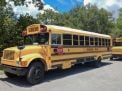
Transportation Safety
02/27/2023Caregivers should teach children appropriate school bus safety rules before they ride. Practice these routines so children understand what to expect. For broader guidance on transportation planning, educators can explore ChildCareEd’s Transportation Safety course and Appropriate Precautions in... Transportation Safety

Paper Mache Activities
12/23/2022Paper mache can transform recycled paper into an open-ended art experience for young children. With close supervision and a developmentally appropriate setup, educators can invite children to investigate texture, form, and color. For ideas about supporting creative learning, explore ChildCareEd&rsqu... Paper Mache Activities

Open-Ended Art Activities for Preschoolers: 15 “What Can You Make?” Invitations
08/20/2026When a preschool art table produces twelve identical projects, children may be practicing compliance more than creativity. Open-ended invitations restore choice, experimentation, and self-expression; for deeper guidance on supporting social-emotional growth through process art, explore Open Heart, O... Open-Ended Art Activities for Preschoolers: 15 “What Can You Make?” Invitations

Snip, Stick, Celebrate! What Easy Labor Day Crafts Can Toddlers Make?
08/19/2026Need a joyful Labor Day activity that is simple enough for toddlers and meaningful enough for your program? These low-prep crafts build fine-motor coordination, language, gratitude, and community awareness without demanding perfection; for deeper guidance on planning age-appropriate experiences, exp... Snip, Stick, Celebrate! What Easy Labor Day Crafts Can Toddlers Make?

What School-Age Activities Create Engaging, Inclusive, and Well-Managed Programs?
08/31/2026School-age children need more than activities that simply fill the afternoon—they need meaningful opportunities to move, create, collaborate, rest, and make decisions. To strengthen your planning skills, explore Lesson Planning to Meet School Age Needs, which can help you design differentiated... What School-Age Activities Create Engaging, Inclusive, and Well-Managed Programs?

How Can Loose Parts Play Turn Everyday Objects Into Powerful Learning Opportunities?
09/02/2026What if the materials children reach for most are already in your recycling bin, nature basket, or supply closet? Loose parts play turns ordinary objects into opportunities for imagination, problem-solving, language, collaboration, and motor development. To deepen your classroom practice, explore Be... How Can Loose Parts Play Turn Everyday Objects Into Powerful Learning Opportunities?

After School Activities for Elementary Kids Who Finish Homework Early
08/26/2026What should children do when homework ends before pickup time? A purposeful choice of reading, movement, creativity, and problem-solving can turn waiting time into meaningful enrichment instead of boredom or behavior challenges. To strengthen your planning, explore Designing Your School Age Classroo... After School Activities for Elementary Kids Who Finish Homework Early

Fresh Ideas for Memorial Day
09/23/2022Memorial Day is a U.S. observance honoring people who died while serving in the military. In early childhood education (ECE), educators can introduce its significance through developmentally appropriate conversations about remembrance, community, and care. Maintain a clear distinction between the ho... Fresh Ideas for Memorial Day
